Spaghetti and Stereotypes
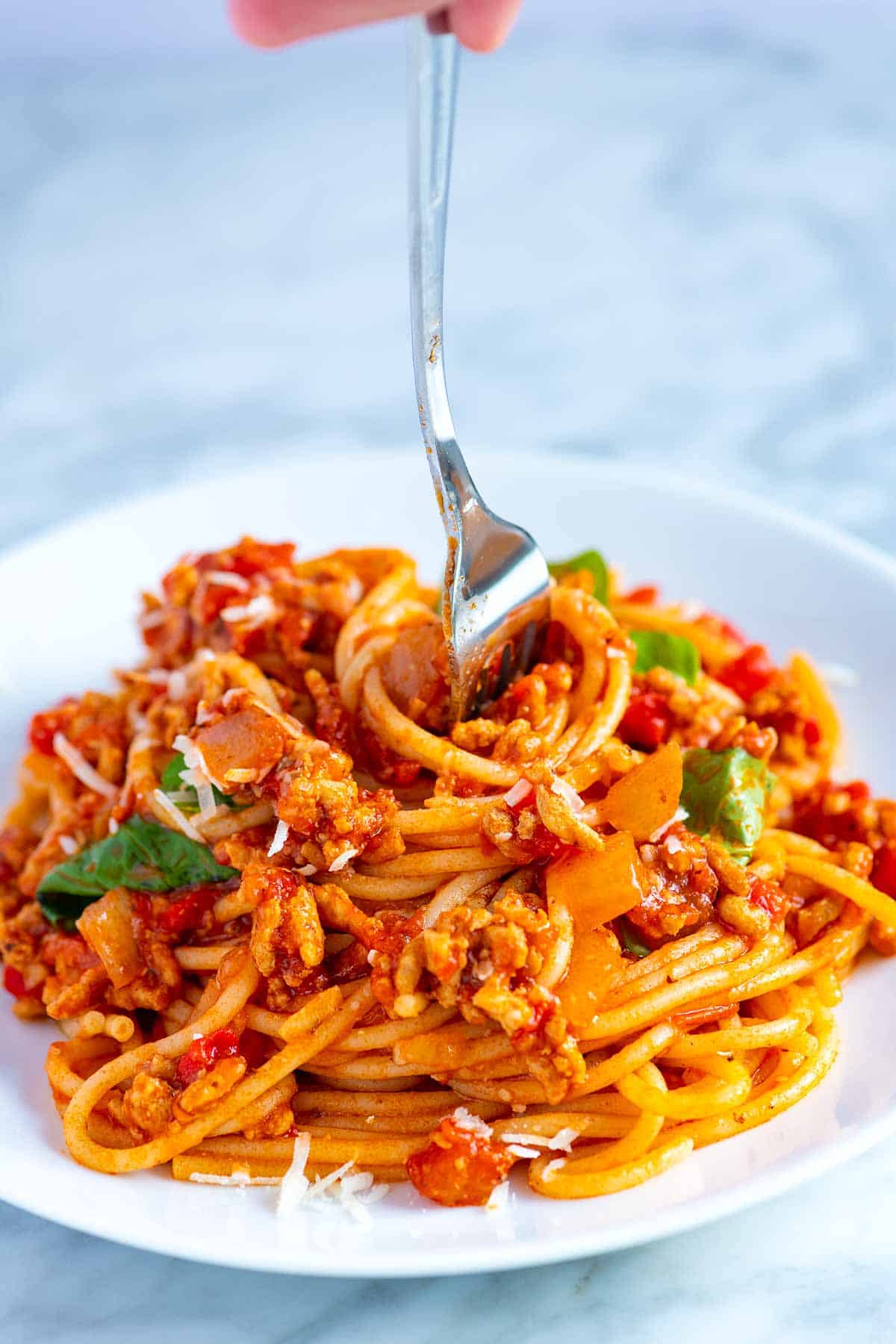
Spaghetti! A classic for the ages. It’s a dish that has been around for forever, and it’s one of the most popular foods in the world. One evening, as I was boiling pasta, my kid sat nearby watching one of their favorite cartoons where they were making food. I wasn’t paying much attention, just the usual background noise, until they looked up and said, “Boys aren’t very good at cooking, are they?”
I was stunned. This is the same child who helps me cook dinner most nights. They stir the sauce, measure the ingredients, and even chop vegetables. I, their father, cooks food for them every day, so where would they get this idea?
In the cartoon, a girl wearing a pink apron delicately iced cupcakes while the boy fumbled around making a mess in the kitchen. And just like that, my child had absorbed the stereotype they would have never learned from home: cooking is for girls, and boys are bad at it. It’s subtle, but it’s powerful. And it reminded me of something I recently researched and something I found while doing so.
In the 1950s, cookbooks like To the Bride shared the idea that a woman’s ability to cook determined her success as a wife. As historian Jessamyn Neuhaus explains, they often used poetry and emotional persuasion to enforce gender roles, saying things like, “The talented gal / Who can whip up a pie, / Rates a well-deserved rave / From her favorite guy” (Neuhaus). These cookbooks romanticized the domestic role, presenting the kitchen as a woman’s rightful domain, while men were only expected to cook in “masculine” contexts like grilling at social gatherings.
But times are changing, and the media is slowly catching up. Scholars like Cynthia Baron have shown that food in film is more than just props, they’re symbolic. Baron writes that films consistently use food to explore identity and power dynamics, showing how characters negotiate gender roles, class, and control through what they cook and how (Baron). Today, We see more male chefs in both film and TV, especially in professional settings, which demonstrates a larger cultural shift. Cooking is no longer the homemaker’s task, it’s an art shared by all. But that’s enough analysis for now. Let’s get to the good stuff: the recipe!
Ingredients
- 1 pound (450g) dried spaghetti
- 1 pound (450g) lean ground meat like ground beef or ground turkey
- 3 tablespoons olive oil
- 1 cup (130g) chopped onion
- 3 garlic cloves, minced, 1 tablespoon
- 2 tablespoons tomato paste
- 1/2 teaspoon dried oregano
- Pinch crushed red pepper flakes
- 1 cup water, broth, or dry red wine
- 1 (28oz) can crushed tomatoes
- Salt and fresh ground black pepper
- Handful of fresh basil leaves, plus more for serving
- Parmesan cheese, for serving
Instructions
- Heat the oil in a large pot over medium-high heat (we use a Dutch oven).
- Add the meat and cook until browned, about 8 minutes. Use a wooden spoon to break the meat into smaller crumbles as the meat cooks.
- Add the onions and cook, stirring every once in a while, until softened, about 5 minutes.
- Stir in the garlic, tomato paste, oregano, and red pepper flakes and cook, stirring continuously for about 1 minute.
- Pour in the water and use a wooden spoon to scrape up any bits of meat or onion stuck to the bottom of the pot.
- Stir in the tomatoes, 3/4 teaspoon of salt, and a generous pinch of black pepper.
- Bring the sauce to a low simmer. Cook uncovered for 25 minutes. As it cooks, stir and taste the sauce a few times so you can adjust the seasoning accordingly (see notes for seasoning suggestions).
- About 15 minutes before the spaghetti sauce finishes cooking, bring a large pot of salted water to a boil. Then, cook the pasta according to the package directions, but check for doneness a minute or two before the suggested cooking time.
- Remove the sauce from the heat and stir in the basil. Toss in the cooked pasta and leave for a minute so that it absorbs some of the sauce. Toss again, and then serve with grated parmesan cheese on top.
Sources
- Baron, Cynthia. "Dinner and a movie: analyzing food and film." Food, Culture & Society, vol. 9, no. 1, spring 2006, pp. 93+. Gale Academic OneFile, link.gale.com/apps/doc/A174820166/AONE?u=colu91149&sid=summon&xid=e1aa31f0. Accessed 14 Jan. 2025.
- Gallagher, Joanne. "Easy Weeknight Spaghetti." Inspired Taste, 8 Apr. 2025, www.inspiredtaste.net/38940/spaghetti-with-meat-sauce-recipe/. Accessed 16 May 2025.
- Neuhaus, Jessamyn. "The Way to a Man's Heart: Gender Roles, Domestic Ideology, and Cookbooks in the 1950s." Journal of Social History, vol. 32, no. 3, 1999, pp. 529-555. ProQuest, https://libproxy.howardcc.edu/login?url=https://www.proquest.com/scholarly-journals/way-mans-heart-gender-roles-domestic-ideology/docview/198918558/se-2, doi:https://doi.org/10.1353/jsh/32.3.529.
Comments