Macaroni, Memory, and Modern Fatherhood
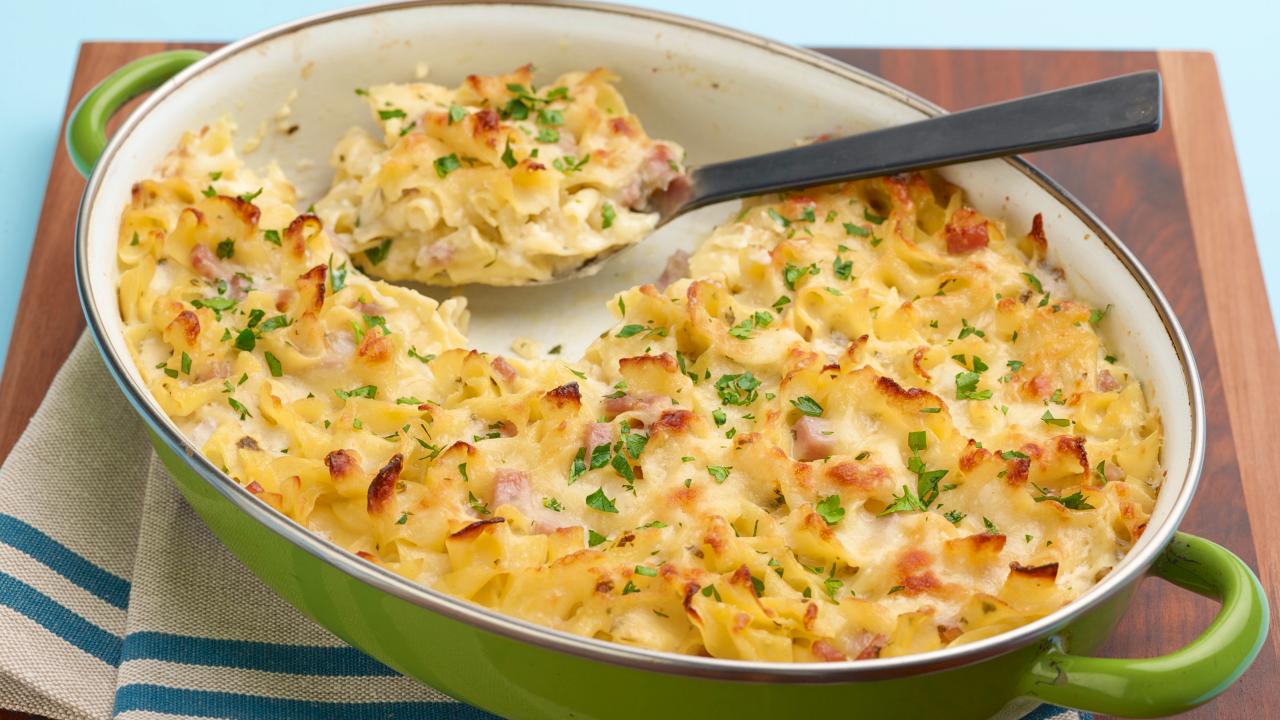
My child recently told me that macaroni and cheese was their “thinking food”.
They said that they get better ideas when they’re eating it, which might explain why they asked to help make it the other night. It had been a long day, and I was tempted to just microwave something and call it done. But something about their excitement made me pause. “Sure,” I said, “let’s make it from scratch.”
As we grated cheese, I thought about how different this scene might have looked a generation or two ago. Growing up, I was lucky, my father was the one who cooked. But I remember hearing things like “real men grill” or “the kitchen is her space.” It wasn’t always said directly, but it lingered in commercials, movies, and even in casual conversations. Cooking was caring, but only for women. For men, it had to be a performance, a show of strength, or skill.
That narrative, thankfully, is changing.
One study I came across while researching about food and gender roles really stuck with me. Nutrition researcher Lindsey Smith Taillie found that home cooking among men in the U.S. increased significantly between 2003 and 2016, especially among college-educated men. The percentage of those men who cooked rose from 37.9% to 51.9%. That’s a big jump, and not just in numbers. It shows a shift in cultural attitudes. Cooking isn’t just a “chore” anymore, it’s something more people, especially fathers, are embracing as part of showing up for their families (Taillie).
But not all groups saw the same rise. Taillie’s study also found that men with less formal education and non-Hispanic Black men didn’t show the same increase. It reminded me that while media might present a shiny picture of domestic equality, the reality is more complex. Gender roles are changing, but not evenly across demographics, and not always by choice.
Which is why, for me, a pot of macaroni and cheese means more than just dinner. It’s a way to show my child, without saying a word, that care isn’t limited by gender, and the kitchen belongs to us all and anyone who wants to be there.
Ingredients
- Butter, for greasing dish
- 12 ounces wide egg noodles
- 2 cups heavy cream
- 2 1/2 cups whole milk
- 2 teaspoons all-purpose flour
- 1/2 teaspoon salt, plus more for pasta water
- 1/4 teaspoon freshly ground black pepper
- 2 cups (packed) grated Fontina
- 3/4 cup (packed) finely grated Parmesan
- 3/4 cup (packed) grated mozzarella
- 4 ounces cooked ham, diced, optional
- 2 tablespoons finely chopped fresh Italian parsley leaves
Instructions
- Preheat the oven to 450°F
- Butter a 13 by 9-inch glass baking dish and set aside
- Cook the noodles in a large pot of boiling salted water until tender but still firm to bite, stirring frequently, about 5 minutes. Drain well, but do not rinse
- Whisk the cream, milk, flour, 1/2 teaspoon salt, and pepper in large bowl to blend. Stir in 1 cup Fontina, 1/2 cup Parmesan, 1/2 cup mozzarella, ham, if using, and parsley. Add the noodles and toss to coat
- Transfer the noodle mixture to the prepared baking dish. Toss the remaining 1 cup Fontina, 1/4 cup Parmesan, and 1/4 cup mozzarella in a small bowl to blend. Sprinkle the cheese mixture over the noodle mixture
- Bake until the sauce bubbles and the cheese melts and begins to brown on top, about 20 minutes. Let stand for 10 minutes before serving
Sources
- De Laurentiis, Giada. "Macaroni and Cheese." Food Network, www.foodnetwork.com/recipes/giada-de-laurentiis/macaroni-and-cheese-recipe-1944466. Accessed 18 May 2025.
- Taillie, Lindsey Smith. “Who's cooking? Trends in US home food preparation by gender, education, and race/ethnicity from 2003 to 2016.” Nutrition journal vol. 17,1 41. 2 Apr. 2018, doi:10.1186/s12937-018-0347-9
Comments